The Benefits of Eating More Fruits and Vegetables
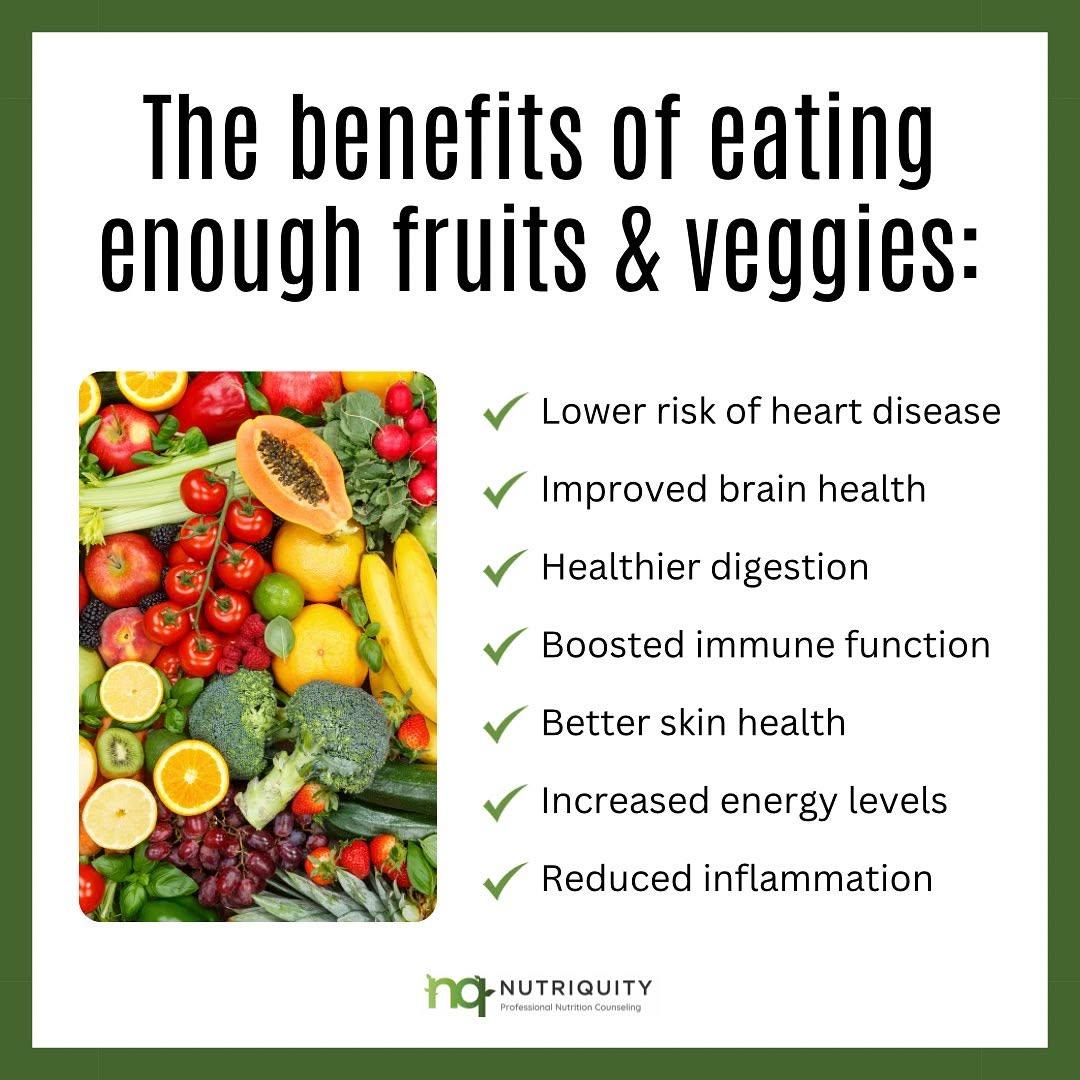
Eating a diet rich in fruits and vegetables is one of the simplest and most effective ways to improve your overall health. These natural foods are packed with essential vitamins, minerals, antioxidants, fiber, and plant compounds that support nearly every system in the body. Whether your goal is to maintain a healthy weight, strengthen your immune system, improve digestion, or reduce the risk of chronic diseases, adding more fruits and vegetables to your daily meals can make a significant difference.
Despite their well-known health benefits, many people still do not consume the recommended daily servings. Making fruits and vegetables a regular part of your diet doesn’t have to be difficult. Small changes, such as adding berries to breakfast, including a salad with lunch, or snacking on fresh fruit, can help you enjoy their many benefits while creating healthier eating habits.
Why Fruits and Vegetables Are Essential
Fruits and vegetables provide a wide range of nutrients that your body needs to function properly. Unlike many processed foods, they are naturally low in calories while being rich in vitamins, minerals, fiber, and water. This combination helps nourish the body without adding excessive calories or unhealthy fats.
They also contain phytochemicals, which are natural plant compounds that help protect cells from damage caused by free radicals. These antioxidants play an important role in supporting long-term health and reducing inflammation.
1. Rich Source of Essential Nutrients
Different fruits and vegetables offer different nutritional benefits. For example:
- Citrus fruits provide vitamin C, which supports the immune system.
- Carrots and sweet potatoes are rich in vitamin A, promoting healthy vision.
- Leafy greens contain vitamin K, folate, calcium, and iron.
- Bananas supply potassium, which supports heart and muscle function.
- Tomatoes contain lycopene, a powerful antioxidant.
Eating a variety of colorful produce helps ensure your body receives a broad range of nutrients.
2. Supports a Healthy Immune System
A strong immune system depends on adequate nutrition. Many fruits and vegetables are excellent sources of vitamins A, C, and E, along with zinc-supporting nutrients and antioxidants that help the body defend itself against illness.
Regularly consuming nutrient-rich foods may help your immune system function more effectively while supporting the body’s natural healing processes.
3. Promotes Heart Health
Heart disease remains one of the leading causes of illness worldwide, but diet plays an important role in heart health. Fruits and vegetables are naturally low in saturated fat and sodium while providing fiber, potassium, and antioxidants that support healthy blood pressure and cholesterol levels.
Foods such as berries, spinach, avocados, oranges, tomatoes, and leafy greens are particularly beneficial as part of a heart-friendly eating pattern.
4. Helps Maintain a Healthy Weight
Fruits and vegetables are generally low in calories and high in fiber, making them filling without contributing excessive energy intake. Fiber slows digestion, helping you stay satisfied for longer periods and reducing the temptation to snack on highly processed foods.
Replacing calorie-dense snacks with fresh fruits or vegetables can support healthy weight management over time.
5. Improves Digestive Health
Dietary fiber is essential for a healthy digestive system. Fruits and vegetables provide both soluble and insoluble fiber, which helps maintain regular bowel movements, supports beneficial gut bacteria, and promotes digestive comfort.
Examples of fiber-rich choices include apples, pears, broccoli, carrots, beans, berries, and leafy greens.
6. Supports Healthy Skin
Healthy skin reflects good nutrition. Vitamins C and E, beta-carotene, and antioxidants found in fruits and vegetables help support collagen production and protect skin cells from environmental damage.
Hydrating fruits such as watermelon, oranges, strawberries, and cucumbers also contribute to healthy-looking skin by supporting proper hydration.
7. May Reduce the Risk of Chronic Diseases
Research consistently shows that diets rich in fruits and vegetables are associated with a lower risk of several chronic health conditions, including:
- Heart disease
- High blood pressure
- Type 2 diabetes
- Certain types of cancer
- Obesity
While no single food can prevent disease, regularly consuming a wide variety of plant foods contributes to overall health and may lower long-term health risks.
8. Supports Brain Function
Certain nutrients found in fruits and vegetables help support healthy brain function. Antioxidants may help protect brain cells from oxidative stress, while vitamins, minerals, and natural plant compounds contribute to cognitive health.
Blueberries, leafy greens, broccoli, oranges, and avocados are among the foods often included in brain-healthy dietary patterns.
9. Provides Natural Energy
Unlike sugary snacks that cause rapid spikes and crashes in blood sugar, fruits provide natural sugars along with fiber, vitamins, and water. This combination offers a steadier source of energy throughout the day.
Bananas, apples, grapes, oranges, and berries make excellent snacks before work, school, or exercise.
10. Encourages Healthy Aging
As people age, maintaining good nutrition becomes increasingly important. Fruits and vegetables provide antioxidants that help protect cells from age-related damage while supplying nutrients needed for healthy bones, eyes, muscles, and the immune system.
A colorful, plant-rich diet supports healthy aging and contributes to maintaining quality of life over the years.
Easy Ways to Eat More Fruits and Vegetables
Increasing your intake doesn’t require major changes. Here are some practical ideas:
- Add fruit to your breakfast cereal or oatmeal.
- Blend spinach or berries into smoothies.
- Include a salad with lunch or dinner.
- Keep washed fruit visible for easy snacking.
- Replace chips with sliced vegetables and hummus.
- Add extra vegetables to soups, pasta dishes, and stir-fries.
- Choose fruit for dessert instead of sugary treats.
- Experiment with seasonal produce to add variety.
Small improvements made consistently often lead to lasting healthy habits.
How Many Servings Should You Eat?
Many health organizations recommend aiming for at least five servings of fruits and vegetables each day. A balanced goal might include:
- Two servings of fruit
- Three or more servings of vegetables
Choosing a variety of colors—such as red, orange, yellow, green, blue, and purple—helps maximize the range of nutrients and antioxidants you consume.
Conclusion
Eating more fruits and vegetables is one of the best investments you can make in your long-term health. They provide essential nutrients, support heart and digestive health, strengthen the immune system, promote healthy weight management, and may reduce the risk of chronic diseases.
Rather than focusing on restrictive diets, aim to fill your plate with colorful, whole foods every day. Even small increases in fruit and vegetable intake can have meaningful health benefits over time. By making these nutrient-rich foods a regular part of your meals and snacks, you can enjoy better energy, improved well-being, and a healthier future.

Post Comment