How to Build a Healthy Lifestyle Step by Step

Building a healthy lifestyle is one of the most valuable investments you can make in your future. A healthy lifestyle does not mean following strict diets, spending hours at the gym, or making drastic changes overnight. Instead, it involves developing sustainable habits that support your physical, mental, and emotional well-being over time.
Many people struggle to maintain healthy routines because they try to change everything at once. The key to long-term success is taking small, manageable steps and remaining consistent. Whether your goal is to lose weight, improve your fitness, increase your energy levels, or simply feel better every day, this step-by-step guide will help you build a healthier lifestyle that lasts.
Step 1: Define Your Health Goals
The first step toward a healthy lifestyle is identifying what you want to achieve. Having clear goals provides motivation and direction.
Ask yourself questions such as:
- Do I want to lose weight?
- Do I want to improve my fitness?
- Do I want more energy throughout the day?
- Do I want to reduce stress?
- Do I want to improve my overall health?
Write down your goals and make them realistic and measurable. Instead of saying, “I want to get healthier,” try saying, “I want to walk for 30 minutes five days a week.”
Clear goals make it easier to track progress and stay motivated.
Step 2: Improve Your Eating Habits
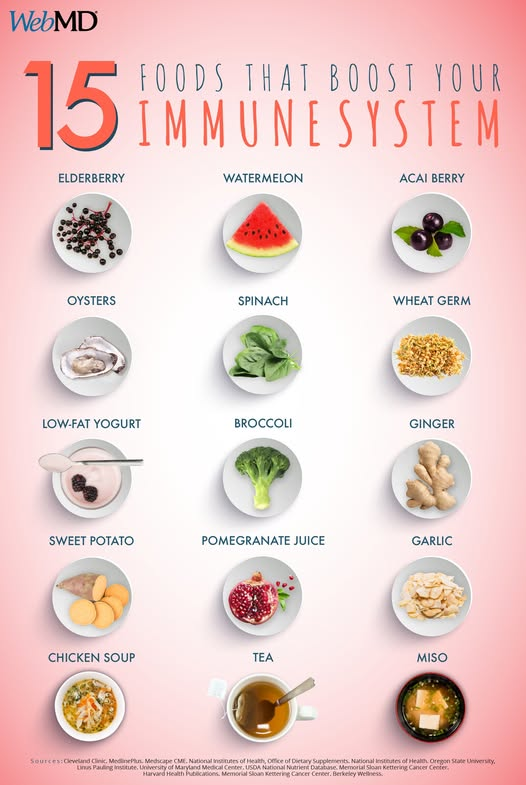
Nutrition is the foundation of a healthy lifestyle. The foods you eat directly affect your energy levels, immune system, and overall health.
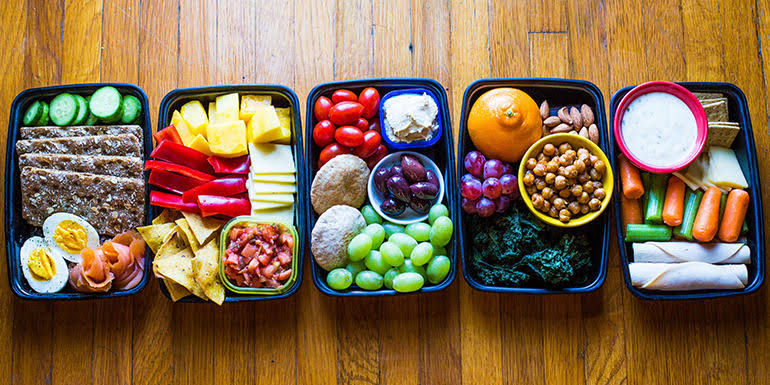
Focus on consuming:
- Fresh fruits and vegetables
- Whole grains
- Lean proteins
- Healthy fats
- Low-fat dairy products
At the same time, try to reduce:
- Sugary drinks
- Processed foods
- Excessive fast food
- Foods high in saturated fats
A balanced diet provides your body with the nutrients it needs to function properly and maintain long-term health.
Healthy Eating Tips
- Eat breakfast every day.
- Include vegetables with every meal.
- Choose water instead of sugary beverages.
- Control portion sizes.
- Plan meals in advance.
Small dietary improvements can produce significant health benefits over time.
Step 3: Stay Hydrated
Water is essential for nearly every function in the body. It helps regulate body temperature, supports digestion, transports nutrients, and removes waste products.
Many people do not drink enough water throughout the day, leading to dehydration, fatigue, headaches, and reduced concentration.
Benefits of Staying Hydrated
- Improved energy levels
- Better digestion
- Healthier skin
- Enhanced brain function
- Improved physical performance
Aim for at least 8–10 glasses of water daily, adjusting based on activity level and climate.
Step 4: Make Physical Activity a Daily Habit
Regular exercise is one of the most effective ways to improve overall health and prevent chronic diseases.
Physical activity helps:
- Strengthen the heart
- Improve circulation
- Build muscle
- Maintain a healthy weight
- Reduce stress
- Improve mood
You don’t need intense workouts to experience benefits. Activities such as walking, cycling, swimming, dancing, or home workouts can be highly effective.
Beginner Exercise Plan
Week 1:
- Walk 15–20 minutes daily
Week 2:
- Increase to 25–30 minutes
Week 3:
- Add basic strength exercises
Week 4:
- Create a balanced routine combining cardio and strength training
Consistency matters more than intensity when building healthy habits.
Step 5: Prioritize Quality Sleep
Sleep is often overlooked, but it plays a critical role in maintaining good health. During sleep, your body repairs tissues, supports brain function, and strengthens the immune system.
Poor sleep can contribute to:
- Weight gain
- Fatigue
- Reduced concentration
- Increased stress
- Higher risk of chronic diseases
Tips for Better Sleep
- Maintain a regular sleep schedule.
- Avoid screens before bedtime.
- Create a comfortable sleeping environment.
- Limit caffeine in the evening.
- Aim for 7–9 hours of sleep each night.
Good sleep supports nearly every aspect of physical and mental health.
Step 6: Manage Stress Effectively
Stress is a normal part of life, but chronic stress can negatively affect both physical and mental health.
Long-term stress may increase the risk of:
- High blood pressure
- Anxiety
- Depression
- Heart disease
- Sleep disorders
Healthy Stress Management Techniques
- Meditation
- Deep breathing exercises
- Yoga
- Reading
- Listening to music
- Spending time outdoors
Taking time each day to relax and recharge can significantly improve your well-being.
Step 7: Build Healthy Daily Routines
Healthy lifestyles are built through daily habits. The more consistent your routine becomes, the easier healthy choices feel.
Examples of healthy routines include:
Morning Routine
- Wake up at a consistent time
- Drink a glass of water
- Eat a healthy breakfast
- Stretch or exercise
Evening Routine
- Avoid excessive screen time
- Prepare for the next day
- Practice relaxation techniques
- Go to bed at the same time each night
Small routines performed consistently create lasting results.
Step 8: Avoid Harmful Habits
Building a healthy lifestyle also means reducing behaviors that may harm your health.
Consider limiting or avoiding:
- Smoking
- Excessive alcohol consumption
- Sedentary behavior
- Excessive sugar intake
- Late-night overeating
Replacing unhealthy habits with positive alternatives helps support long-term wellness.
Step 9: Focus on Mental Health
Mental health is just as important as physical health. A healthy lifestyle includes caring for your emotional and psychological well-being.
Ways to support mental health include:
- Practicing gratitude
- Maintaining social connections
- Setting healthy boundaries
- Seeking support when needed
- Engaging in enjoyable activities
A healthy mind contributes to a healthier body and improved quality of life.
Step 10: Track Your Progress and Stay Consistent
One of the biggest reasons people abandon healthy lifestyles is unrealistic expectations. Meaningful change takes time.
Keep track of:
- Exercise habits
- Water intake
- Sleep patterns
- Healthy meals
- Personal goals
Celebrate small victories along the way. Progress, not perfection, should be your focus.
Building a healthy lifestyle is a lifelong journey rather than a short-term project.
Conclusion
Learning how to build a healthy lifestyle step by step begins with simple, sustainable changes. By setting realistic goals, eating nutritious foods, staying active, drinking enough water, prioritizing sleep, and managing stress effectively, you can create habits that support long-term health and happiness.
Remember that lasting transformation does not happen overnight. Every healthy choice you make today contributes to a stronger, healthier future. Start with one small change, remain consistent, and gradually build the healthy lifestyle you deserve.


Post Comment