Foods That May Help Strengthen Your Immune System
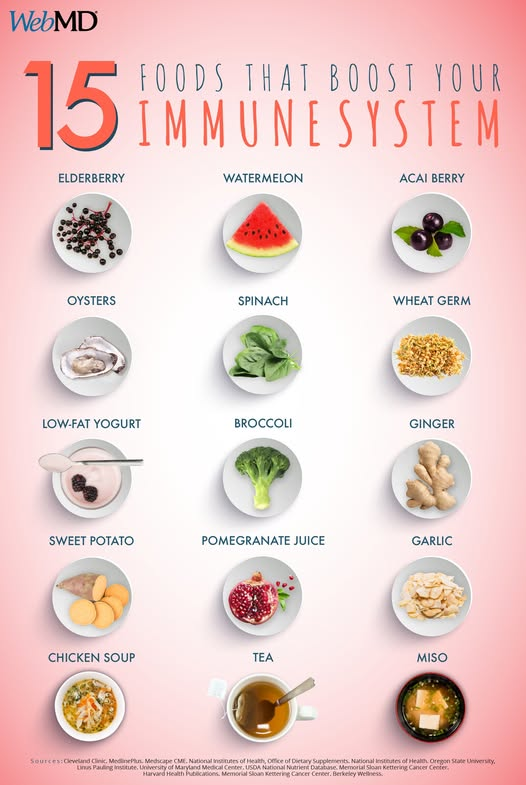
A strong immune system plays a vital role in protecting your body from harmful bacteria, viruses, and other pathogens. While no single food can prevent illness or guarantee immunity, maintaining a balanced diet rich in essential nutrients can help your immune system function at its best. Along with regular exercise, quality sleep, stress management, and good hygiene, eating nutrient-dense foods is one of the most effective ways to support overall health.
Many fruits, vegetables, whole grains, lean proteins, and healthy fats contain vitamins, minerals, antioxidants, and plant compounds that contribute to normal immune function. By including a variety of these foods in your daily meals, you can give your body the nutrients it needs to stay healthy year-round.
How Nutrition Supports the Immune System
Your immune system is a complex network of cells, tissues, and organs that work together to defend your body against infections. To function properly, it requires a steady supply of nutrients, including vitamins A, C, D, and E, as well as zinc, selenium, iron, protein, and healthy fats.
A diet rich in whole foods provides these nutrients naturally while helping reduce inflammation and supporting the body’s normal defense mechanisms.
1. Citrus Fruits
Citrus fruits such as oranges, lemons, grapefruits, limes, and tangerines are excellent sources of vitamin C. This essential vitamin supports the production and function of white blood cells, which are key players in the immune response.
Enjoy fresh citrus fruits as snacks, add lemon to water, or include orange slices in salads.
2. Red Bell Peppers
Many people associate vitamin C with oranges, but red bell peppers actually contain even more vitamin C per serving. They are also rich in beta-carotene, which the body converts into vitamin A, an important nutrient for healthy skin and immune function.
Add sliced peppers to salads, stir-fries, or enjoy them with hummus.
3. Garlic
Garlic has been used in traditional cooking and medicine for centuries. It contains sulfur-containing compounds such as allicin, which have been studied for their potential role in supporting normal immune function.
Fresh garlic adds flavor to soups, vegetables, pasta dishes, and roasted meats.
4. Ginger
Ginger is known for its warming flavor and natural plant compounds. It may help support overall wellness and is commonly used in teas, smoothies, and cooking.
Fresh ginger pairs well with vegetables, seafood, and herbal beverages.
5. Spinach
Spinach provides vitamin C, vitamin A, folate, iron, and antioxidants that contribute to healthy immune function. It is also rich in fiber, making it an excellent choice for overall nutrition.
Lightly cooking spinach may improve the availability of some nutrients while preserving many of its health benefits.
6. Yogurt
Plain yogurt with live and active cultures contains probiotics—beneficial bacteria that support a healthy gut microbiome. Since much of the immune system is closely connected to gut health, maintaining a balanced digestive system may contribute to overall immune function.
Choose unsweetened yogurt and add fresh fruit for natural sweetness.
7. Almonds
Almonds are a great source of vitamin E, an antioxidant that helps protect cells from oxidative damage. They also provide healthy fats, protein, magnesium, and fiber.
A small handful of almonds makes an easy and nutritious snack.
8. Sunflower Seeds
Sunflower seeds contain vitamin E, selenium, zinc, and healthy fats. These nutrients support normal immune function and help protect cells from oxidative stress.
Sprinkle sunflower seeds over salads, oatmeal, or yogurt for added nutrition.
9. Fatty Fish
Fish such as salmon, sardines, trout, and mackerel provide omega-3 fatty acids, high-quality protein, and vitamin D. Vitamin D plays an important role in supporting immune health, while omega-3 fats help maintain normal inflammatory responses.
Aim to include fatty fish in your meals at least once or twice a week.
10. Berries
Blueberries, strawberries, raspberries, and blackberries are rich in antioxidants, vitamin C, and fiber. Their colorful pigments help protect cells from damage caused by free radicals.
Berries are delicious in smoothies, yogurt, oatmeal, or as a healthy snack.
11. Sweet Potatoes
Sweet potatoes are packed with beta-carotene, which the body converts into vitamin A. Vitamin A supports healthy skin and mucous membranes, which serve as important barriers against harmful microorganisms.
Roasted or baked sweet potatoes make a nutritious side dish.
12. Broccoli
Broccoli is one of the most nutrient-dense vegetables available. It contains vitamins A, C, E, fiber, and several antioxidants that help support overall health.
Light steaming helps preserve many of its valuable nutrients.
13. Green Tea
Green tea contains natural antioxidants called catechins, which help protect cells from oxidative stress. It also provides compounds that support overall wellness without added sugars.
Replace sugary beverages with unsweetened green tea for a healthier option.
14. Mushrooms
Certain mushrooms provide nutrients such as selenium, B vitamins, and vitamin D (when exposed to ultraviolet light). They also contain naturally occurring compounds that contribute to a balanced diet.
Mushrooms can be added to soups, stir-fries, salads, and omelets.
15. Kiwi
Kiwi is loaded with vitamin C, vitamin K, vitamin E, potassium, and folate. These nutrients help support normal immune function while contributing to overall health.
Its sweet-tart flavor makes it an excellent addition to fruit salads or smoothies.
Lifestyle Habits That Support Immunity
Healthy eating is just one part of maintaining a strong immune system. Consider these additional habits:
- Get 7–9 hours of quality sleep each night.
- Stay physically active most days of the week.
- Drink enough water throughout the day.
- Manage stress through relaxation techniques or hobbies.
- Avoid smoking and limit alcohol consumption.
- Wash your hands regularly to reduce the spread of germs.
- Keep up with recommended vaccinations and routine medical care.
Together with a nutritious diet, these habits help your immune system function effectively.
Common Myths About Immunity
There are many misconceptions about “boosting” the immune system. It’s important to remember:
- No single food can prevent infections.
- Large doses of vitamins are not necessarily better and may even be harmful.
- Dietary supplements should not replace a balanced diet unless recommended by a healthcare professional.
- Consistency matters more than occasional “superfood” meals.
A diverse, balanced eating pattern provides the best foundation for long-term immune health.
Conclusion
Supporting your immune system starts with healthy everyday choices. Foods such as citrus fruits, spinach, garlic, yogurt, fatty fish, berries, broccoli, almonds, and sweet potatoes provide valuable vitamins, minerals, antioxidants, and healthy fats that help your body function normally.
Rather than searching for a miracle food, focus on eating a wide variety of nutrient-rich foods while maintaining healthy lifestyle habits. Combined with regular exercise, adequate sleep, proper hydration, and good hygiene, a balanced diet can help your immune system stay strong and support your overall well-being throughout the year.




Post Comment