Signs Your Body May Be Telling You to Rest More
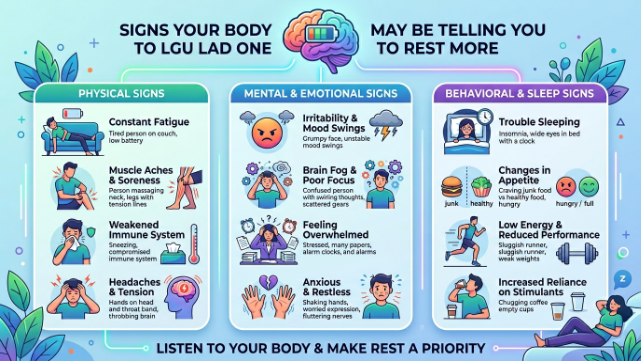
In today’s fast-paced world, many people push themselves to keep going even when they feel tired. Between work responsibilities, family obligations, social commitments, and personal goals, rest often becomes a low priority. However, your body is designed to send warning signals when it needs recovery. Ignoring these signs can lead to physical exhaustion, reduced productivity, weakened immunity, and even long-term health problems.
Rest is not a luxury—it is a necessity. Just as your body needs nutritious food and regular exercise, it also requires adequate rest to function properly. Understanding the signs that your body may be telling you to rest more can help you avoid burnout and maintain your overall well-being.
In this article, we will explore the most common signs of insufficient rest and why paying attention to them is essential for your health.
Why Rest Is Important for Your Health
Rest allows your body and mind to recover from daily activities and stress. During periods of rest and sleep, your body repairs tissues, regulates hormones, strengthens the immune system, and restores energy levels.
Without adequate rest, the body struggles to perform these vital functions effectively. Over time, chronic fatigue and lack of recovery can increase the risk of health issues such as high blood pressure, obesity, anxiety, depression, and weakened immunity.
Recognizing the early warning signs can help prevent more serious problems from developing.
1. Constant Fatigue and Low Energy
One of the most obvious signs that your body needs more rest is persistent fatigue. If you regularly wake up feeling tired despite getting what seems like enough sleep, your body may be struggling to recover properly.
You may notice:
- Difficulty getting out of bed
- Feeling exhausted throughout the day
- Needing excessive caffeine to stay alert
- Reduced motivation for daily activities
Occasional tiredness is normal, but constant fatigue should not be ignored.
2. Difficulty Concentrating
Your brain relies on adequate rest to function efficiently. When you are not getting enough recovery time, mental performance often declines.
Common signs include:
- Difficulty focusing on tasks
- Forgetfulness
- Poor decision-making
- Reduced productivity
- Frequent mental mistakes
If you find yourself struggling to concentrate on simple tasks, it may be your body’s way of asking for more rest.
3. Frequent Illnesses
A weakened immune system can be a major indicator of insufficient rest. Sleep and recovery play an important role in helping your body fight infections and illnesses.
When your body does not receive enough rest, you may experience:
- Frequent colds
- Longer recovery times
- Increased susceptibility to infections
- Persistent feelings of being unwell
Quality rest supports a strong immune system and helps your body defend itself against disease.
4. Increased Irritability and Mood Changes
Lack of rest affects not only your physical health but also your emotional well-being.
You may notice:
- Increased irritability
- Short temper
- Anxiety
- Feelings of overwhelm
- Mood swings
Many people underestimate the connection between rest and mental health. When your body is exhausted, emotional regulation becomes more difficult.
5. Muscle Soreness That Doesn’t Go Away
If you exercise regularly, your muscles need time to recover between workouts. Persistent soreness may indicate that your body has not fully recovered.
Warning signs include:
- Ongoing muscle aches
- Joint discomfort
- Reduced physical performance
- Feeling unusually weak during exercise
Recovery is an essential part of any fitness routine. Overtraining without adequate rest can increase the risk of injury.
6. Poor Sleep Quality
Ironically, one sign that you need more rest is having difficulty sleeping.
Overworked and overstressed individuals often experience:
- Trouble falling asleep
- Frequent nighttime awakenings
- Restless sleep
- Waking up feeling unrefreshed
Creating healthy sleep habits can improve recovery and overall well-being.
7. Increased Cravings for Unhealthy Foods
Sleep deprivation and fatigue can affect hormones that regulate hunger and appetite.
As a result, you may experience:
- Increased cravings for sugary foods
- Desire for high-calorie snacks
- Frequent hunger
- Difficulty controlling portions
When your body lacks energy, it often seeks quick sources of fuel, which can lead to unhealthy eating patterns.
8. Reduced Physical Performance
If everyday activities feel more difficult than usual, your body may need additional recovery time.
You may notice:
- Reduced endurance
- Lower strength levels
- Difficulty completing workouts
- Slower reaction times
Athletes and fitness enthusiasts often use declines in performance as an important signal that their bodies need rest.
9. Frequent Headaches
Insufficient rest can contribute to tension headaches and migraines in some individuals.
Possible symptoms include:
- Recurring headaches
- Pressure around the forehead
- Increased sensitivity to light
- Fatigue-related migraines
If headaches occur frequently alongside other signs of exhaustion, improving rest habits may help.
10. Feeling Unmotivated and Burned Out
Burnout is a state of emotional, physical, and mental exhaustion caused by prolonged stress and inadequate recovery.
Signs of burnout may include:
- Lack of enthusiasm
- Feeling emotionally drained
- Loss of interest in activities you once enjoyed
- Difficulty staying motivated
When these symptoms persist, taking time to rest and recharge becomes essential.
How to Give Your Body the Rest It Needs
If you recognize several of these warning signs, consider making recovery a priority.
Improve Your Sleep Routine
- Aim for 7–9 hours of sleep per night
- Go to bed at consistent times
- Limit screen exposure before bedtime
- Create a comfortable sleeping environment
Take Regular Breaks
Avoid working for long periods without breaks. Short breaks throughout the day can improve focus and reduce fatigue.
Manage Stress
Practice relaxation techniques such as:
- Deep breathing
- Meditation
- Gentle stretching
- Spending time outdoors
Listen to Your Body
If you feel exhausted, allow yourself time to recover. Rest is a productive part of maintaining good health, not a sign of weakness.
Conclusion
Your body constantly communicates its needs, and one of the most important messages it sends is when it requires more rest. Persistent fatigue, poor concentration, mood changes, frequent illness, muscle soreness, and burnout are all signs that your body may be telling you to slow down and recover.
Ignoring these warning signs can lead to long-term physical and mental health challenges. By prioritizing quality sleep, managing stress, taking regular breaks, and listening to your body’s signals, you can support better health, improved energy levels, and greater overall well-being.
Remember, rest is not something you earn after pushing yourself to the limit. It is a fundamental part of a healthy lifestyle and essential for long-term wellness.




Post Comment